
ByJohn A
How to Handle an Initial Screening Call
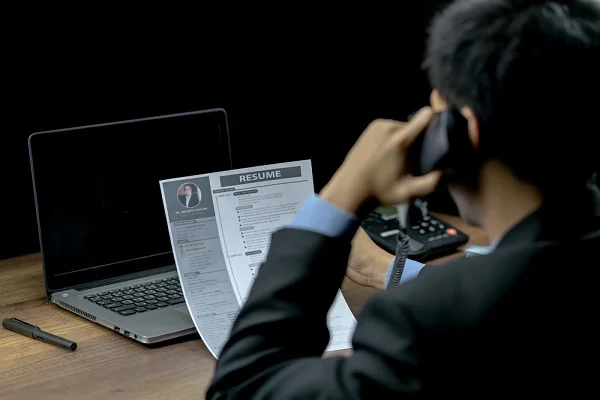
An initial screening call might be the first direct conversation you have with a potential employer.
It may last only a short time, but it can influence whether you’re invited to the next stage of recruitment.
That doesn’t mean you need to approach it like a formal presentation.
A screening call is usually a practical conversation designed to confirm important details and understand whether the opportunity makes sense for both sides.
Preparing for those topics can help you respond confidently.
Understand What Happens During Screening
Recruiters often use screening calls to review a candidate’s basic suitability.
They might ask about previous experience, relevant skills, work availability, salary expectations, or reasons for applying.
Sometimes they also explain the position and answer initial questions.
The exact process depends on the employer.
Some calls are brief and straightforward, while others involve more detailed questions.
Knowing the likely topics helps you prepare without overthinking the conversation.
Review Your Application Carefully
Before the call, read the resume and application you submitted.
Make sure you can explain your employment history, responsibilities, and qualifications.
If you’ve applied to several positions, confirm which organization and role the call concerns.
This might sound obvious, but it’s easy to mix up details when you’re managing multiple applications.
Keep the job description nearby so you can refer to important requirements if necessary.
Prepare a Short Professional Introduction
Recruiters often begin with a question such as, “Could you tell me a little about yourself?”
Prepare a concise response covering your relevant experience, key skills, and interest in the role.
For example, you might briefly explain your current responsibilities and mention the experience that makes the new position appealing.
Avoid describing your entire employment history unless you’re asked for more detail.
A focused introduction helps the conversation get started smoothly.
Be Ready to Discuss Practical Details
Initial screening calls frequently include questions about scheduling and employment arrangements.
You may be asked when you could start, whether you’re willing to work particular hours, or what salary range you’re considering.
Think about these matters beforehand.
Be honest about notice periods and other commitments.
If you’re uncertain about a detail, explain what you know and ask for clarification.
Avoid agreeing to conditions simply because you feel pressured to provide an immediate answer.
Answer Directly Without Overexplaining
Screening calls often have limited time.
That makes concise answers particularly useful.
When asked about a skill, briefly explain your experience and provide a relevant example if appropriate.
You don’t need to turn every response into a long story.
If the recruiter wants additional information, they can ask follow-up questions.
Being clear and focused shows respect for the conversation and makes your qualifications easier to understand.
Keep Your Job Search Information Organized
When exploring vacancies through หางาน or submitting applications through สมัครงาน, keep a record of the positions you’ve applied for.
Include the job title, relevant dates, and important requirements.
This can be especially helpful if recruiters contact you unexpectedly.
If you receive an unscheduled call at an inconvenient time, it’s reasonable to politely ask whether you can arrange another suitable time.
A prepared conversation is generally better than trying to answer important questions while distracted.
Ask Useful Questions Before Ending
A screening call isn’t only about answering the recruiter’s questions.
You can also gather information.
Consider asking about the main responsibilities, expected working arrangements, or next stage of recruitment.
Avoid overwhelming the recruiter with too many detailed questions during a short call.
Choose the information that matters most at this stage.
You can explore other topics if you’re invited to a longer interview.
Follow Up Appropriately
At the end of the call, thank the recruiter for explaining the opportunity.
If they’ve provided a timeframe for the next stage, make a note of it.
You can send a brief follow-up message when appropriate, particularly if additional information was requested.
Avoid contacting the recruiter repeatedly before the stated timeframe has passed.
See also: How AI Improves Customer Support
Final Thoughts
An initial screening call is an opportunity to establish a professional connection and confirm whether the position fits your experience and expectations.
Review your application, prepare concise answers, and understand your practical requirements.
Listen carefully and ask relevant questions.
A calm, organized approach can help you make a positive impression while gathering information for your own career decision.
